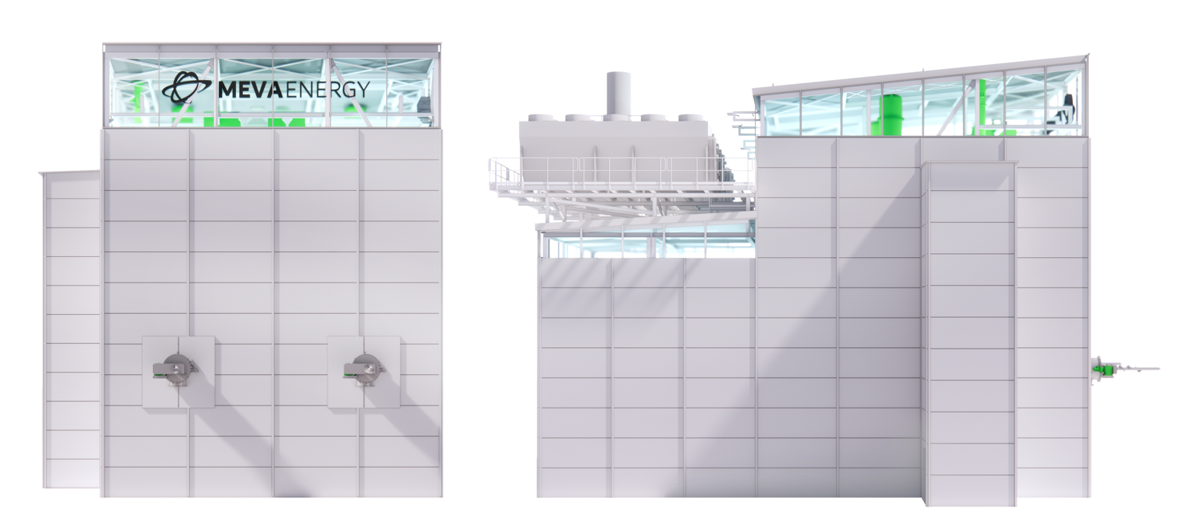
Biogas in the form of biosyngas
Biogas can be produced mainly in two ways: through anaerobic digestion or through thermo-chemical conversion.
Biogas in the form of biosyngas is a renewable gas produced by thermal gasification of low-quality biomass residues. Similar to biomethane production, it converts organic waste into usable energy, but through a different pathway. Biosyngas can be used to replace fossil gas in process heating or to produce electricity and heat (Combined Heat and Power, CHP).
What is biosyngas?
Biosyngas is a combustible gas mixture produced from biomass through high-temperature thermochemical conversion, where it is created by heating solid biomass residues in an oxygen-limited environment.
Unlike conventional biogas, which is methane-rich and often used in a biogas generator or upgraded for grid injection, biosyngas is dominated by carbon monoxide (CO) and hydrogen (H₂). It contains only a minor share of methane (CH₄), along with trace gases such as carbon dioxide (CO₂), nitrogen (N₂), and light hydrocarbons.
Think of biosyngas less as a direct “natural gas substitute” and more as a reactive fuel gas. CO and H₂ are fast-burning, energy-dense molecules that release heat quickly and predictably. This makes biosyngas especially suited for industrial burners, kilns, furnaces, and engines where precise thermal control matters. Because it is derived from renewable biomass such as wood residues, agricultural waste, or other organic by-products, biosyngas can be produced locally and does not rely on fossil extraction.
The role of biosyngas
Biosyngas is a combustible gas mixture with a flexible chemical profile, which makes it useful across climate action, industrial energy, and turning residual materials that would otherwise go to waste into value.
Climate change mitigation
Biosyngas can replace fossil fuels in manufacturing industries where LPG or natural gas is still widely used. It supports climate change mitigation by turning renewable biomass into a usable fuel rather than relying on fossil extraction.
Using biomass residues
Biosyngas production enables productive use of biomass residues that might otherwise decompose, be openly burned, or transported long distances. This reduces methane emissions from decay and cuts transport-related emissions.
Industrial energy transition
Many manufacturing processes require continuous, high-temperature heat rather than electricity. biosyngas fits this niche well. It can be burned directly in modified gas burners or co-fired with existing fuels, allowing industries to reduce emissions without redesigning entire production lines.
How Meva Energy produce and use biosyngas
From biomass residue
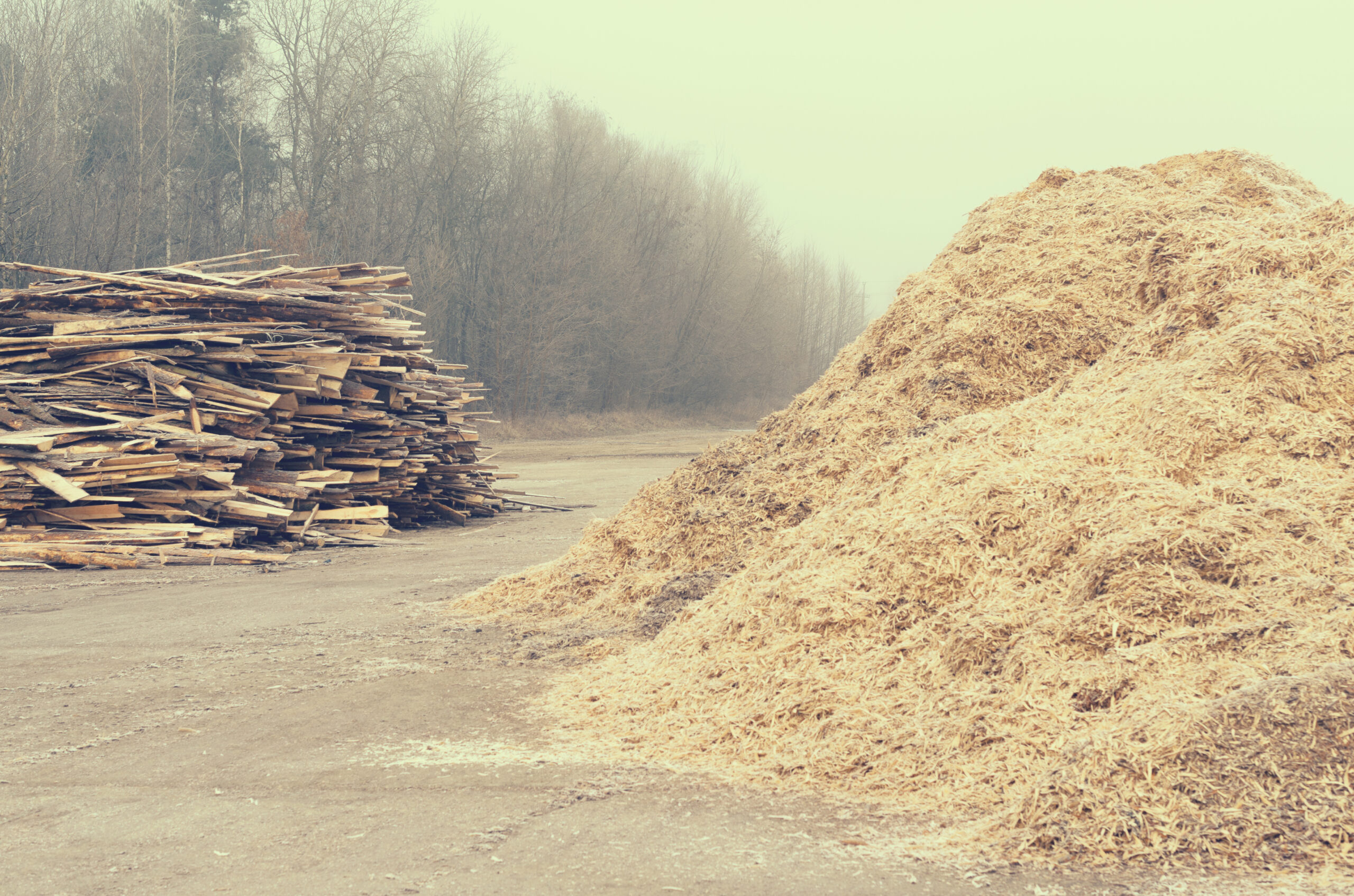
Industries that process solid biomass such as wood also generate large amounts of fraction biomass residues. We utilize this waste as a resource.
By gasification
The biomass fractions are heated in an oxygen-limited environment, a process known as thermochemical gasification. This converts the solid biomass into a clean, energy-rich gas called biosyngas, with biochar as a valuable by-product.
To energy
The gas is used directly by our customers to replace fossil gas in industrial processes. It can also be converted into electricity.
Advantages of biosyngas
- Full flame stability with 100% biosyngas
- Very low levels of particles in the exhaust gases
- No traces of odors or visual imperfections
- Functionality with several standard burner types such as: corner-, duct- and swirl burners
- Possible to co-fire LPG/NG and renewable biosyngas in the same burner
- No need to redesign or expand existing burner chambers
What about biogas?
Biogas is one of the most established renewable gases in use. It has proven itself as a reliable way to turn organic waste into energy, and biogas production plays an important role in circular energy systems across agriculture, wastewater treatment, and food processing.
A well-designed biogas system can transform manure, sludge, or food waste into methane-rich gas that can be used on-site or upgraded for broader distribution. Many facilities use a biogas generator to produce renewable power, making use of biogas to generate electricity a practical and widely deployed solution.
At the same time, biogas is not always the best fit for every industry. Biogas systems depend on wet feedstocks, biological stability, and digestion infrastructure. For sectors that generate dry biomass residues or require high-temperature industrial heat, biosyngas offers an alternative pathway that complements biogas production and expands what renewable gas can achieve.
Biosyngas vs. Biomethane
Different feedstocks and production
Biomethane production is generally based on anaerobic digestion, which works best with wet organic materials such as manure, sewage sludge, or food waste. This makes the typical biomethane system highly effective in agriculture and waste management.
Biosyngas, as mentioned, is produced through gasification. It uses high heat to convert solid biomass residues into a combustible gas. This opens up renewable energy potential from feedstocks that many traditionally biogas plants cannot process.
Gas quality and energy applications
Biosyngas contains more hydrogen and carbon monoxide than methane, it means it is a mixture between faster and slower reacting fuel gas. This makes it especially useful for industrial burners and high-temperature processes where flame stability and thermal control matter.
With a controlled composition in the biogas, it can also be used in CHP engines, where a biogas generator can deliver stable renewable power. This is why biogas to electricity remains one of the most common applications worldwide. It’s a proven renewable pathway for producing electricity from organic waste streams.