
Biochar
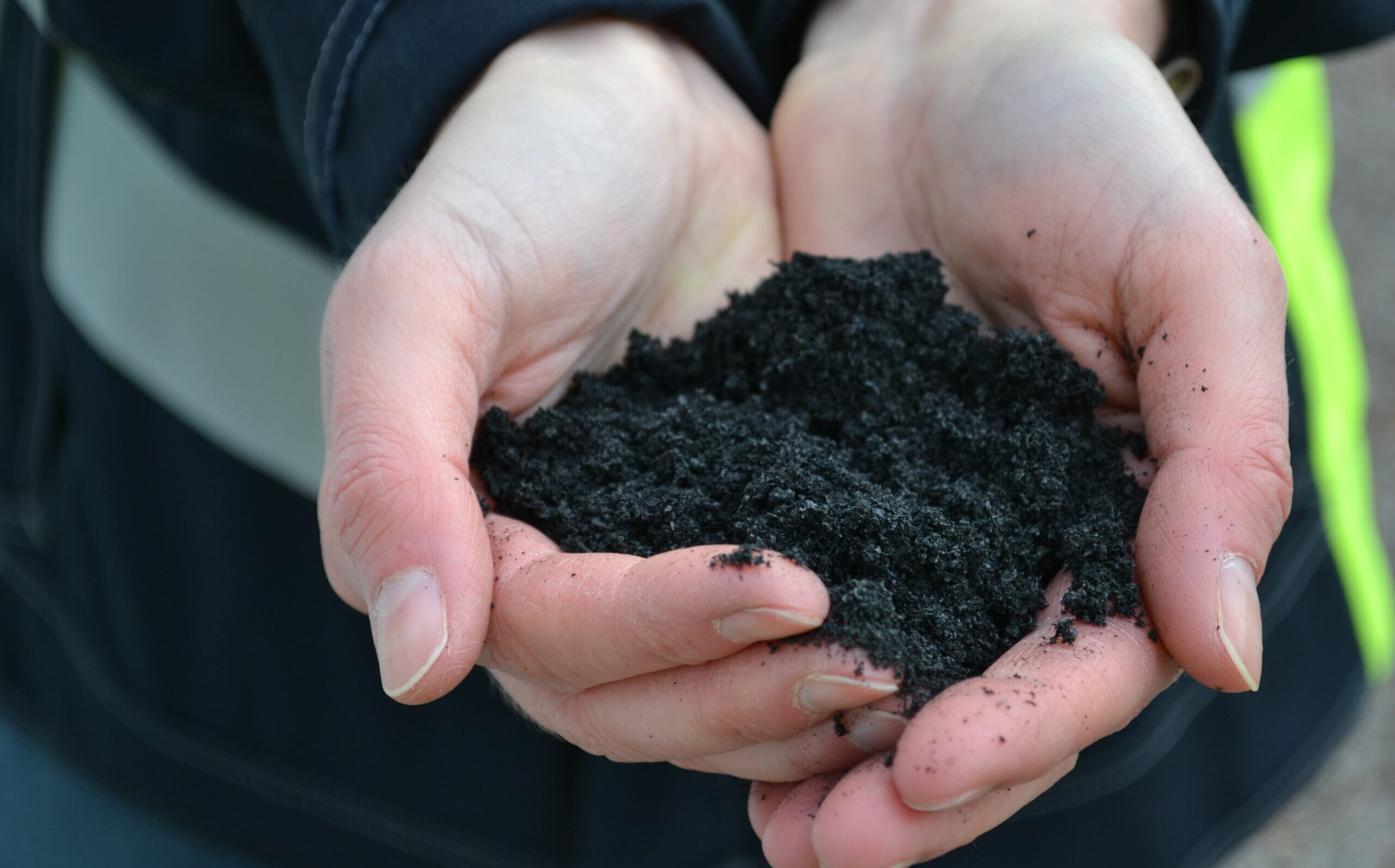
Biochar is a valuable by-product from biosyngas production. A porous material with a very large surface area and high carbon content that is produced by heating biomass in high temperatures and in an oxygen-limited environment.
Meva Energy’s biochar is EBC-certified (European Biochar Certificate, Class AgroOrganic), which guarantees that it is produced from sustainably sourced biomass, meets strict quality standards, and provides verified climate and soil benefits.
What is biochar, and how is it made?
Biochar is a carbon rich material produced in an oxygen-limited environment, called pyrolysis or biomass gasification. Biochar consists of an inert (stable) carbon, which means that the carbon is stored in the soil and not released into the atmosphere. Therefore biochar is able to constitute an important carbon sink for a very long time, and with other positive effects for the climate.
Biochar is a recognized CDR technology (named BCR, biochar carbon removal) and is today known and recognized in the carbon credit market (one credit = one ton of CO2e). According to the latest IPPC report, biochar is described as one of the fastest ways to reduce carbon in the atmosphere.
How biochar can be used
Biochar has a porous structure and stable carbon content, which makes it useful across farming, agriculture, and industrial applications. Its role and performance depend on the feedstock and the production process.
Farming
Biochar can be used on farms as a soil and animal health additive. It improves soil moisture retention and can also be added to bedding or feed, helping reduce methane emissions and supporting healthier livestock.
Agriculture
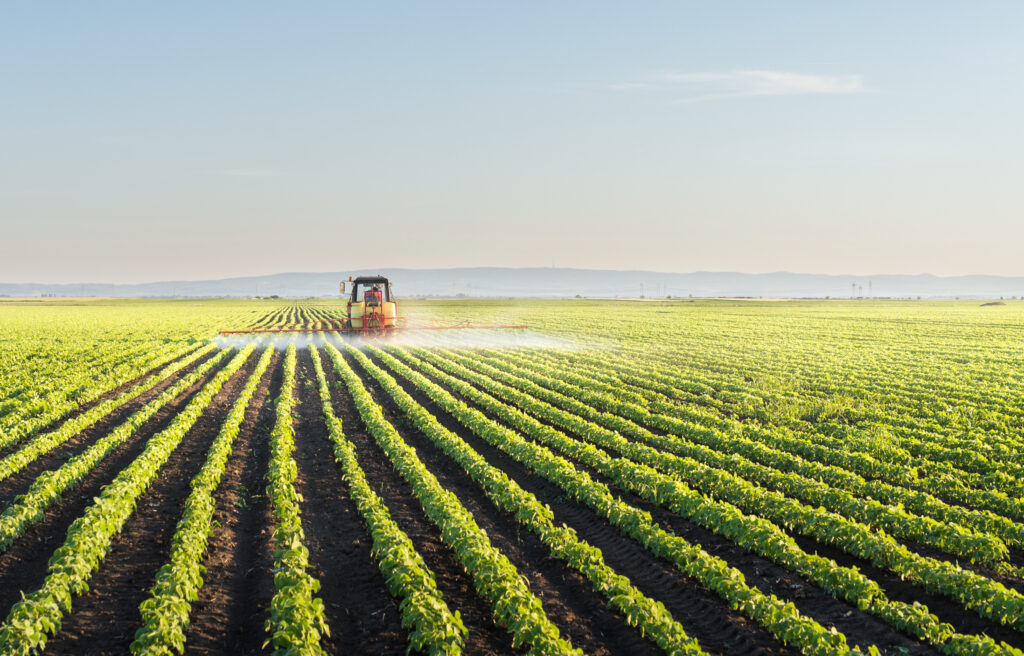
In agricultural fields, biochar enhances soil structure and nutrient holding capacity. This supports stronger plant growth, better yields, and long-term carbon storage in the ground.
Steel industry
Biochar can replace fossil-based carbon in metallurgical processes. In steel production, it offers a renewable alternative for reducing emissions while maintaining high-temperature performance.
Active carbon filter
Thanks to its high porosity and large surface area, biochar can be used as a raw material for active carbon filters. It helps capture pollutants and impurities in industrial filtration applications.
The advantages of biochar
Biochar is a valuable co-product from biosyngas production. While biosyngas can replace fossil gas in heating and power generation, biochar delivers long-term climate benefits by storing carbon in a stable form.
A long-term carbon sink
Biochar is carbon-negative. It can bind up to three times its own weight in CO₂ and helps reduce the concentration of carbon dioxide in the atmosphere. During production, unstable carbon from plant material is transformed into a stable structure. Instead of returning to the air through natural decay, the carbon becomes locked into the biochar.


Permanent carbon storage in soils
Once incorporated into soil, biochar can remain stable for hundreds or even thousands of years. Its carbon structure resists breakdown by microbes and weather, locking carbon away instead of letting it return to the atmosphere as CO₂. This makes it one of the most durable and measurable forms of carbon removal available today. At the same time, it builds long-term soil carbon stocks without the need for repeated application.
Added climate and soil benefits
Beyond carbon storage, biochar improves soil structure, water retention, and nutrient availability. It can also lower greenhouse gas emissions such as methane and nitrous oxide by influencing microbial activity in the soil. Its porous, sponge-like structure provides habitat for beneficial microbes and helps hold nutrients in place instead of letting them leach away. The same physical properties make it useful not only in agriculture, but also in filtration, construction materials, and other industrial applications.
Are you exploring ways to decarbonize your energy supply?
How Meva Energy produce biochar
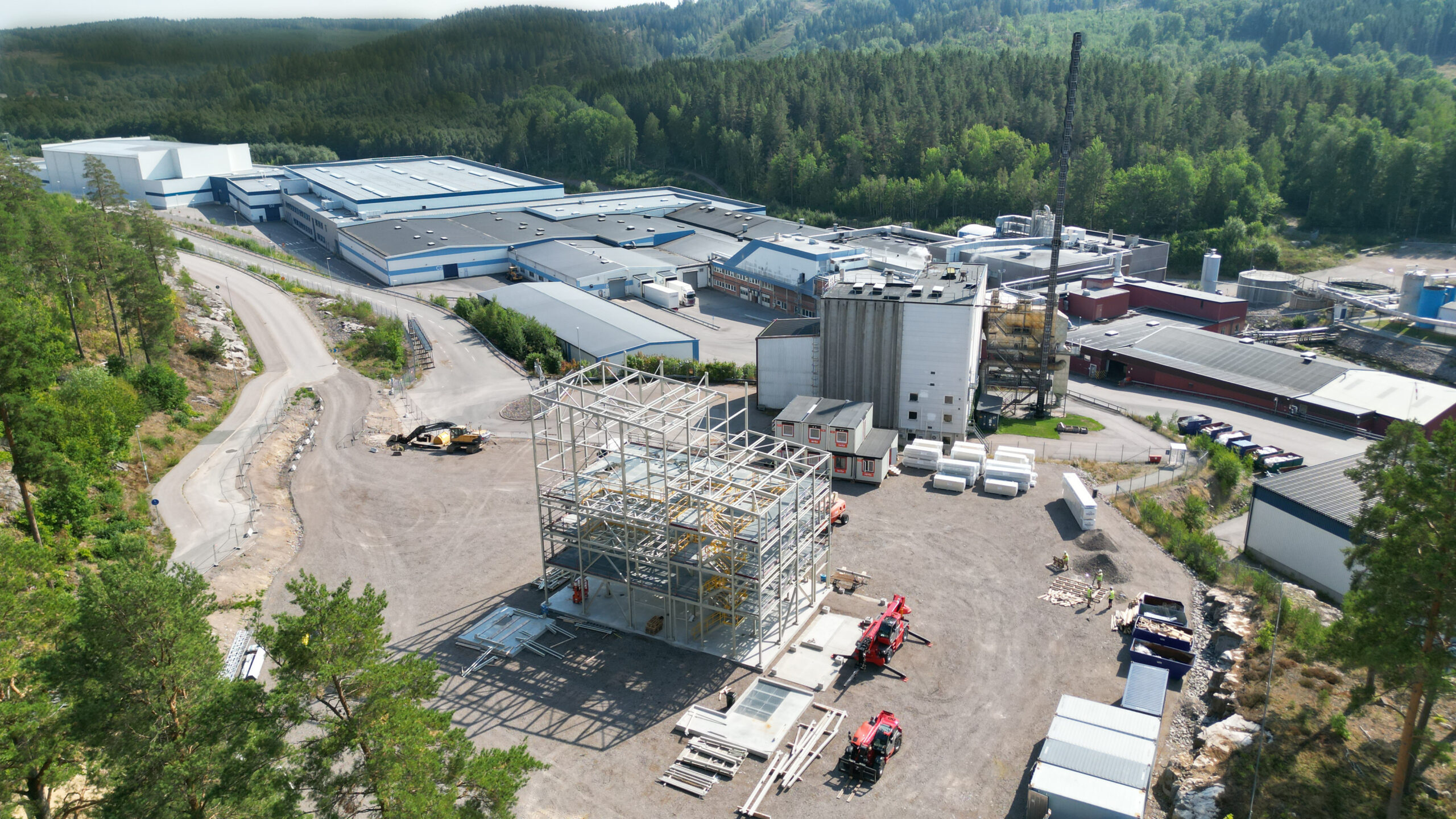
Meva Energy’s biochar is produced through biomass gasification in an oxygen-limited environment as a by-stream from our biosyngas production. It has a high carbon content, low ash, and high porosity, making it an effective carbon sink with applications in agriculture, industry and animal feed.
EBC certification
EBC certified biochar
Our biochar is certified according to EBC (The European Biochar Certificate), Class AgroOrganic, ensuring that it meets strict standards for feedstock, production, and environmental impact. This means that:
- the feedstock comes from sustainable sources
- production is carried out with minimal climate impact
- quality and content are verified through independent testing
- the biochar contributes to long-term carbon sequestration in soil
Interest group
New association will develop the market for biochar in Sweden
The Biochar Sweden Innovation Cluster, a non-profit association that was started in 2024 with a clear mission: to bring together the entire biochar industry, from producers to users, and together develop the market for biochar and bioenergy through pyrolysis and gasification.

Feasability study
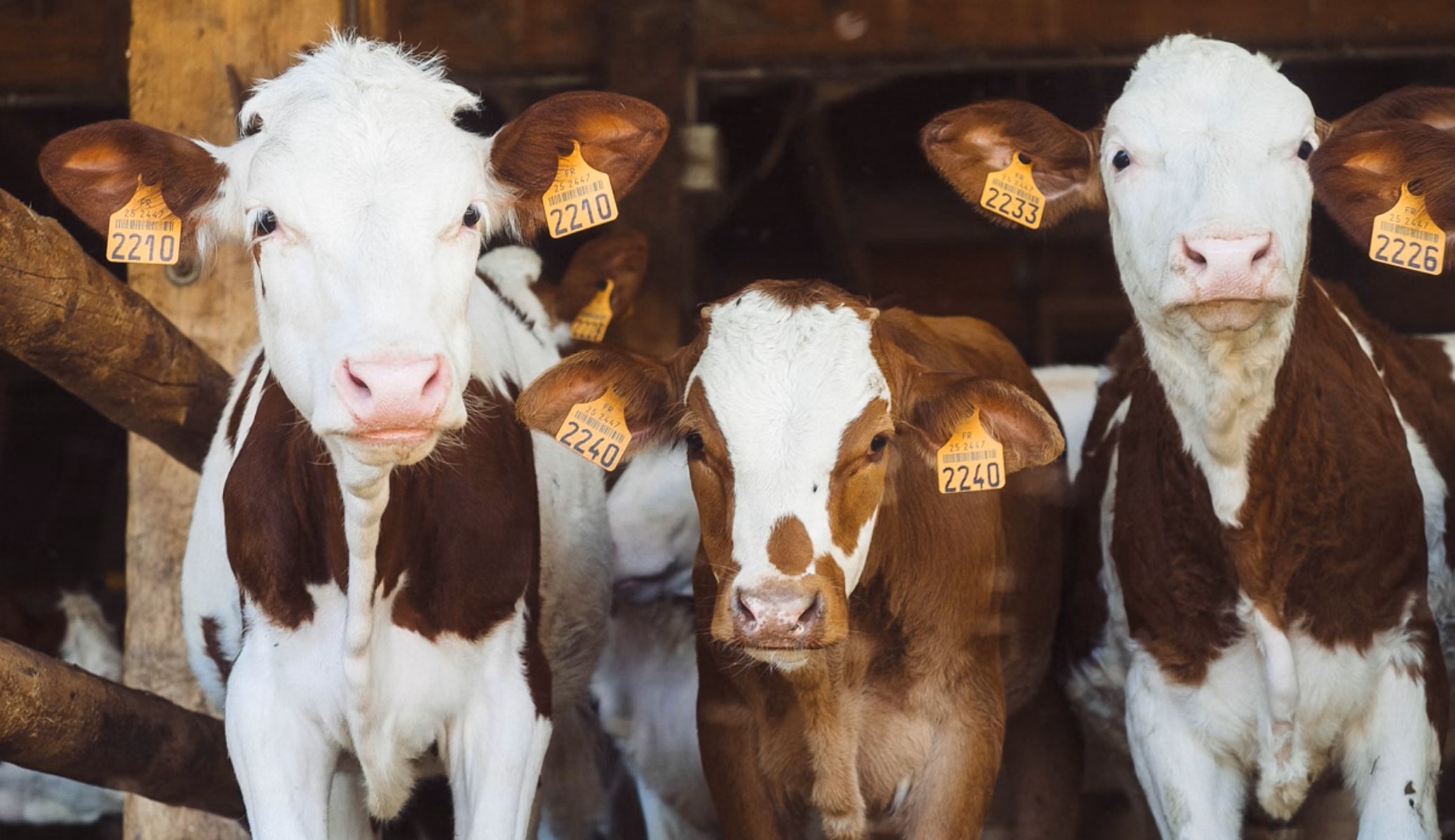
Cows could achieve better digestion health and lower methane emissions with biochar
In collaboration with Envinn, Swedish University of Agricultural Sciences (SLU), Skånefrö and Hushållningssällskapet Sjuhärad, Meva Energy is part of a feasibility study focused on using biochar as a feed additive for cattle. This project aims to understand biochar’s unique properties to increase animal health and reduce methane emissions.