
Carbon-negative energy for industrial decarbonization

Meva’s energy plants generates renewable, high-temperature biosyngas directly at your production site, making it an effective and renewable replacement for fossil fuels such as natural gas in industrial drying and conditioning processes

Get carbon negative
Image

Key benefits of Meva's solution:

Lower and more predictable energy costs

Stabilize your energy budget with consistent, forecastable expenses, no volatility of fossil fuel markets.

A reliable, on-site renewable energy source

Generate energy on-site from local biomass residues, reducing dependence on external suppliers and transport.

Meet CO₂ compliance and emissions standards

Ensure long-term business resilience in a low-carbon economy.

Take control of your energy

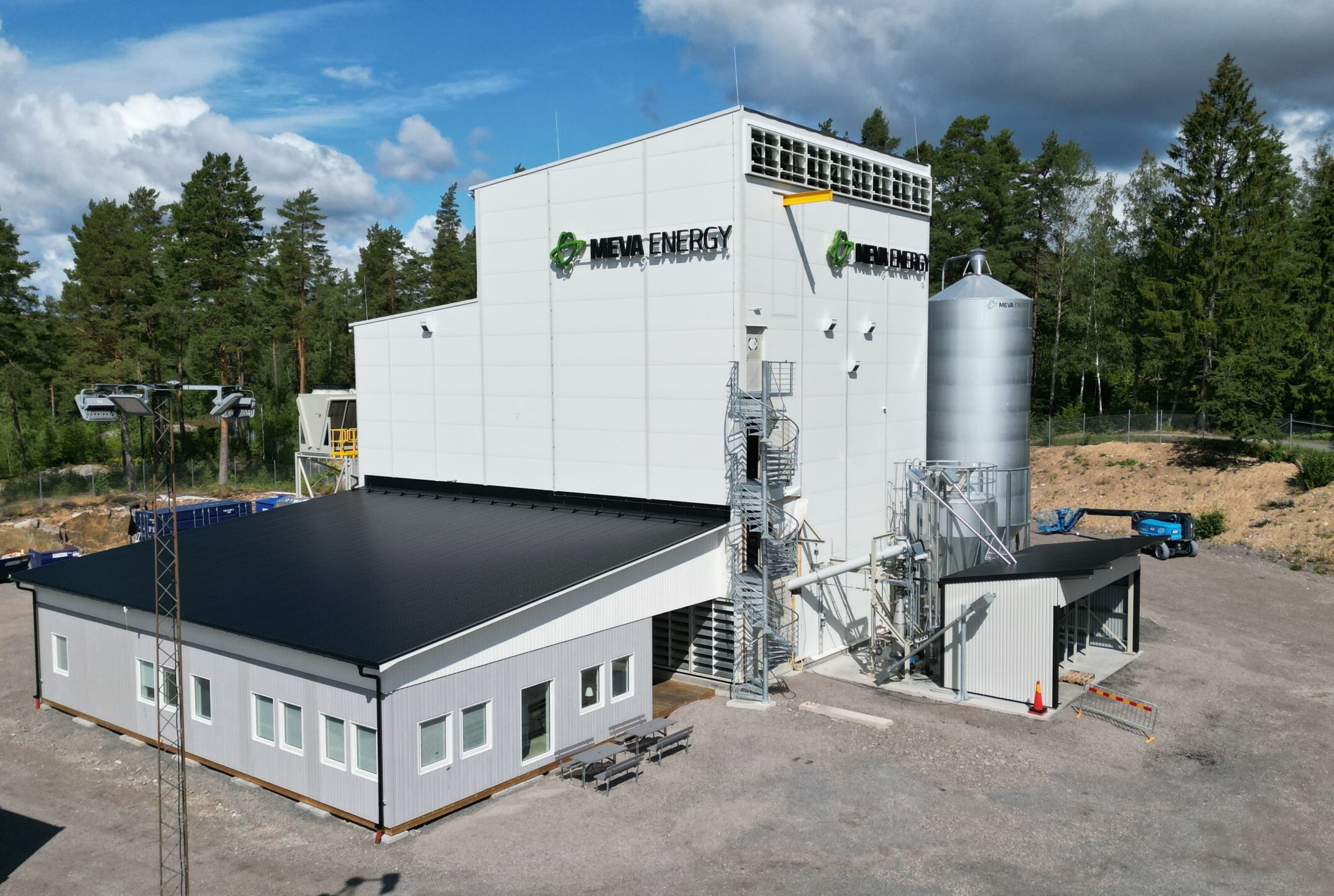
We produce the energy right where you consume it. Meva’s modular gasification units enable efficient, on-site energy production tailored to your specific needs. By decentralizing production, we reduce energy losses and transportation costs while increasing reliability and flexibility. This approach supports sustainable industrial processes with minimal environmental impact and no need for large upfront investments.
Image

From biomass residue

Industries that process solid biomass such as wood also generates large amounts of fraction biomass residues. We utilize this waste as a resource.

by gasification

The biomass fractions are heated in an oxygen-limited environment, a process known as  thermochemical gasification. This converts the solid biomass into a clean, energy-rich gas called Biosyngas, with biochar as a valuable by-product.  

to energy

The gas is used directly by our customers to replace fossil gas in industrial processes. It can also be converted into electricity. The biochar serves as a soil enhancer, a permanent carbon sink, or a fossil carbon substitute in metallurgical applications.

Going beyond zero emissions 

Biomass gasification produces two valuable products: biosyngas, a renewable gas that can replace fossil fuels, and biochar, a carbon-rich material that can be used to sequester carbon in soils. By efficiently converting organic waste into clean energy and capturing carbon through biochar, biomass gasification has the potential not only to achieve net-zero emissions but also to generate negative emissions, helping to reduce the overall concentration of greenhouse gases in the atmosphere.

Meva Energy offers its customers a technology that significantly reduces fossil greenhouse gas emissions and lowers the overall climate footprint of their industrial operations.

Sustainability >

Image

Customer Cases 

Hot gas 

Replacing Fossil Gas in Copper Wire Production

Learn more >

Cold Gas 

Sofidel will reduce up to 10.000 tons C02 emissions annually

Learn more >

CHP (Combined heat & power)

Turning production residues into renewable energy

Learn more >

    Specifications

    Application: High temperature heat

    Gas capacity: 4,5 MW and upwards

    Biochar production: from 400 ton/year

    CO2 reduction potential: 10 300 ton/year

    Feedstock: Industrial biomass residues

    Standard plant area: 20x15 m

    Applications: Metallurgy, Lime, Ceramics and glass, Concrete

    Contract: Energy Purchase Agreement (EPA) or Turn Key solution.

    Image
    Kristoffer Lorentsson

    Kristoffer Lorentsson 

    How do you see your energy supply in the future?

    Reach out to our expert Kristoffer to discuss how our gasification technology can help lower emissions in your production. We’ll work closely with you to provide customized calculations and feasibility studies, ensuring a solution that fits your specific needs. From the initial assessment to full implementation, we’ll be there to guide and support you every step of the way.


      Specifications

      Customer Cases