

Renewable natural gas (RNG) is a renewable fuel made from organic waste and biomass instead of fossil reserves. In most cases, RNG is essentially the same as biomethane: biogas that has been cleaned and upgraded until it can be used in much the same way as conventional natural gas.
Instead of coming from fossil reserves underground, renewable natural gas is made from organic waste and biomass. Waste from agriculture, landfills, food production, wastewater treatment, and other organic sources becomes a feedstock for energy.
Because of that, renewable natural gas has become an important tool for industries, utilities, transport operators, and cities that want to reduce emissions without replacing all existing gas infrastructure.
How renewable natural gas is made
RNG starts with organic material. Common feedstocks include manure, food waste, wastewater sludge, landfill gas, and other biological residues. These materials break down and produce biogas. That raw biogas is then upgraded by removing carbon dioxide, moisture, sulfur compounds, and other unwanted components.
Once that upgrading step is complete, the result is usually called biomethane, or in many markets, renewable natural gas. In other words, when people talk about renewable natural gas RNG, they are usually talking about upgraded biogas with a methane-rich composition suitable for practical energy use.
How a renewable natural gas plant works
A typical renewable natural gas plant follows a clear chain of steps. First, organic feedstock is collected and processed. Then biogas is produced, most often through anaerobic digestion or landfill gas recovery. After that, the gas is upgraded into biomethane-quality fuel.
That final product can then be used in several ways. It may be injected into gas grids, used as a transport fuel, burned for industrial heat, or supplied to energy users that want a lower-carbon alternative to fossil gas. This is one reason RNG has gained so much attention. It can fit into systems that already exist. That makes it more practical than many energy solutions that require entirely new infrastructure.
Why renewable natural gas matters
Renewable natural gas matters because it does two jobs at once. It turns waste into value, and it provides a usable fuel for sectors that still need gas. That makes RNG especially relevant in transport, industrial production, district energy, and utility-scale energy systems.
Although RNG usually refers to upgraded biogas or biomethane, the broader renewable gas landscape is larger than one pathway. Some solutions produce methane-rich gas through biological processes. Others use thermal processes to create renewable gas from solid biomass residues. That broader view matters when looking at industrial applications, because not every company approaches renewable gas in the same way.
What about biogas?
Biogas remains one of the best-known renewable gas solutions on the market. It has a long operating history and is widely used in sectors where organic waste is part of daily operations. Its strength lies in turning waste streams into useful energy through a process that is already well understood and broadly deployed.
In a typical setup, wet organic materials are broken down and converted into a methane-rich gas. That gas can be used directly on site for heat and power, or it can be upgraded further into biomethane. In many markets, that upgraded biomethane is what people mean when they talk about renewable natural gas.
That makes biogas an important part of the renewable gas story. But it does not cover every industrial need.
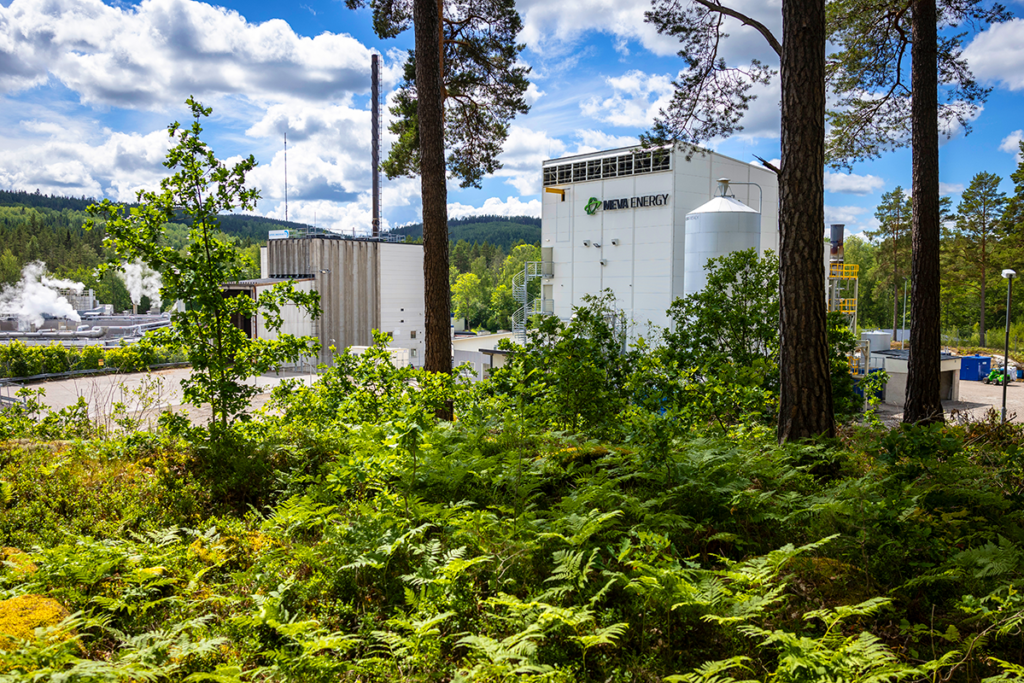
Some industries do not generate the kind of wet feedstock that biogas systems rely on. Others need a fuel that performs well in high-temperature processes, where direct heat matters more than power generation alone. This is where Meva Energy’s biosyngas offers a different route.

Biosyngas vs. biogas
The biggest difference lies in both the feedstock and the production method.
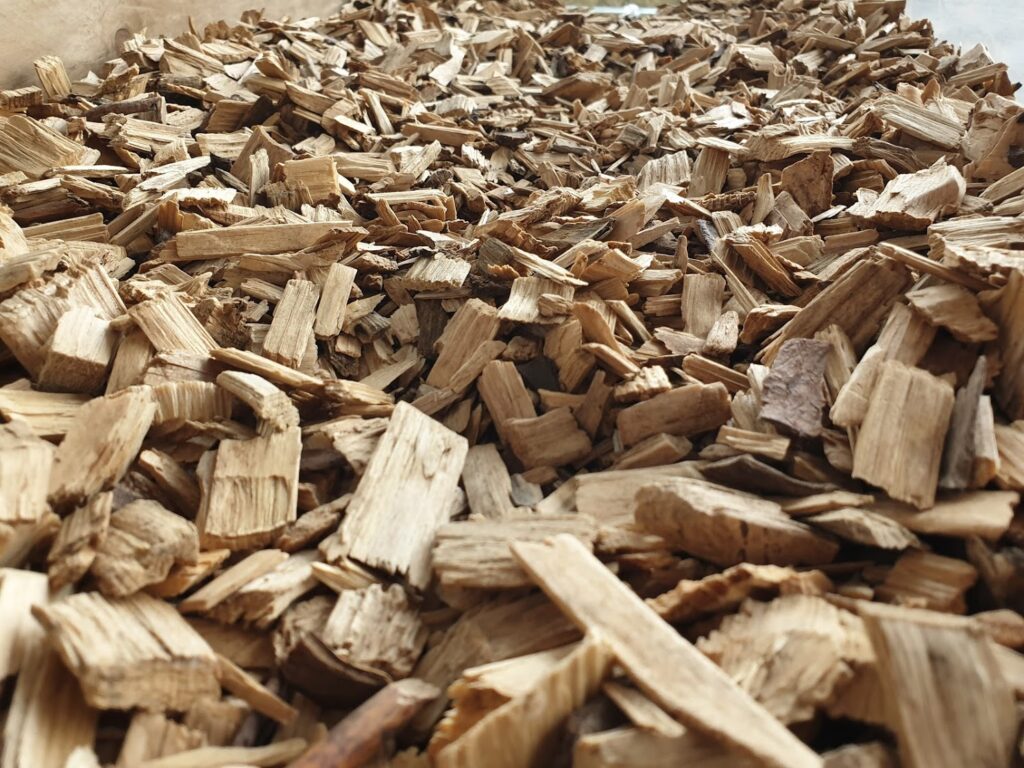
Biogas is usually linked to wet materials such as manure, sludge, and food waste. Biosyngas, by contrast, is produced from dry biomass residues through gasification. Instead of biological breakdown, the material is converted into fuel gas through heat. That opens the door to renewable energy use from residual biomass streams that would not suit a conventional biogas process.
The gases themselves also behave differently. Biogas is methane-rich, whereas biosyngas contains more hydrogen and carbon monoxide, making it a faster, more responsive industrial fuel. This makes biosyngas a stronger fit for burners, furnaces, and other processes where precise heat delivery matters. Both gases are similarly applicable to electricity generation and combined heat and power systems.
Where biosyngas fits into the bigger picture
This is what makes biosyngas relevant in a broader article about renewable gas. It is not the same thing as biomethane, and it should not be described as a direct synonym for renewable natural gas. But it belongs in the same landscape because it serves the same larger purpose: replacing fossil gas with a renewable alternative.
So while renewable natural gas is usually understood as upgraded biogas or biomethane, biosyngas shows that the renewable gas market is wider than that definition alone. It points to another path for companies that want to move away from fossil gas, especially when they have dry biomass residues and/or industrial heat demand on site.
Want to learn more about biosyngas?
Get in touch with us or read more about biosyngas on our product page.